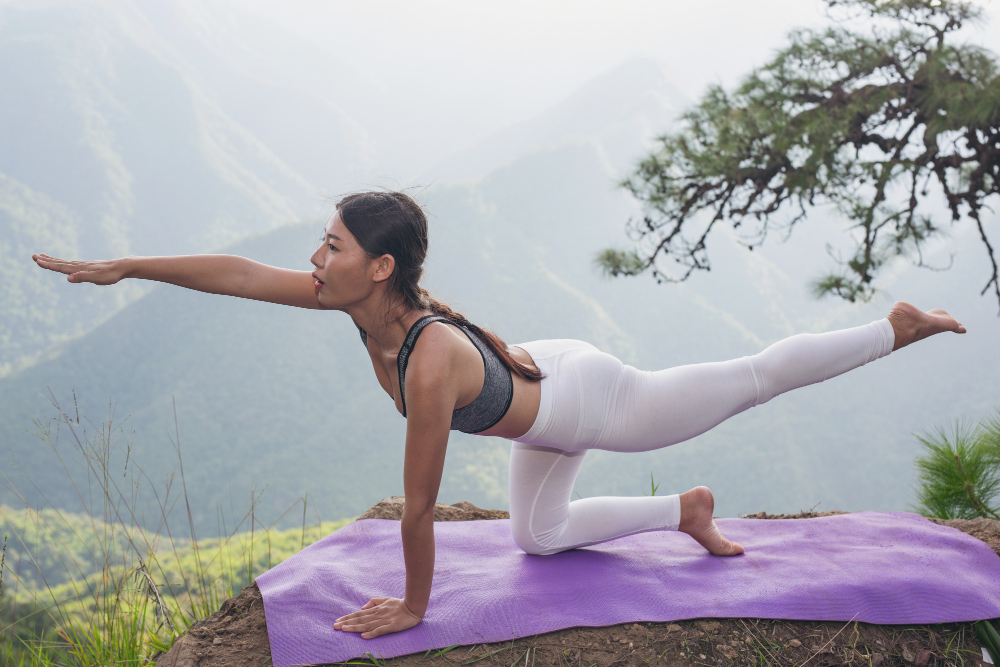
When it comes to fitness and overall well-being, one common question people ask is: which is better yoga or exercise? Both yoga and traditional exercise offer powerful health benefits, but they differ in approach, intensity, and purpose. The right choice depends on your goals, lifestyle, and physical condition.
In this article, we’ll explore the difference between yoga and exercise, their benefits, limitations, and whether combining both can give you the best results. We’ll also touch on unique yoga concepts like Yoga mudra, yoga mudrasana, and even astrological terms such as sunapha yoga, ubhayachari yoga, and dhan yoga, which reflect the holistic philosophy often associated with yoga traditions.
Understanding Yoga and Exercise
Before deciding which is best yoga or exercise, it’s important to understand what each one really involves.
What Is Yoga?
Yoga is an ancient mind-body practice that combines physical postures (asanas), breathing techniques (pranayama), and meditation. It focuses on flexibility, balance, strength, and mental clarity. Yoga isn’t just physical movement; it’s also about inner awareness and emotional balance.
Some popular forms of yoga include Hatha, Vinyasa, Ashtanga, and restorative yoga. Specific poses like yoga mudrasana and gestures like Yoga mudra are designed to stimulate internal organs, improve digestion, and calm the nervous system.
Yoga is often associated with a holistic lifestyle that considers mental, spiritual, and even cosmic influences. Terms like sunapha yoga, ubhayachari yoga, and dhan yoga come from Vedic astrology and symbolize balance, prosperity, and strength — qualities that many people also seek through regular yoga practice.
What Is Exercise?
Exercise usually refers to structured physical activity aimed at improving strength, endurance, speed, or cardiovascular health. This includes gym workouts, running, cycling, weight training, aerobics, and sports.
Unlike yoga, exercise is typically more goal-oriented toward physical performance and body transformation. It often involves repetitive movements and higher intensity, which can lead to faster calorie burn and muscle gain.
The Difference Between Yoga and Exercise
Understanding the difference between yoga and exercise can help you make a smarter decision for your fitness journey.
| Aspect | Yoga | Exercise |
|---|---|---|
| Focus | Mind-body connection | Physical fitness and performance |
| Intensity | Generally low to moderate | Moderate to high |
| Breathing | Controlled and synchronized | Often natural or heavy breathing |
| Mental Benefits | Stress relief, mindfulness | Mood boost, stress release through exertion |
| Flexibility | Major focus | Secondary benefit |
| Muscle Building | Lean muscle tone | Muscle mass and strength gain |
Yoga movements are slow and mindful, while exercise routines are usually faster and more intense. Yoga emphasizes internal awareness, while exercise often emphasizes external results like weight loss or muscle definition.
Physical Benefits of Yoga
Yoga provides a wide range of health advantages, even without intense sweating.
1. Improves Flexibility and Mobility
Regular yoga practice stretches tight muscles and improves joint range of motion. Poses like yoga mudrasana gently compress and stretch internal organs, enhancing flexibility and digestion.
2. Reduces Stress and Anxiety
Breathing techniques and meditation calm the nervous system. The Yoga mudra hand gesture, for example, is believed to help balance emotions and improve concentration.
3. Enhances Posture and Balance
Yoga strengthens core and stabilizing muscles, leading to better posture and reduced back pain.
4. Supports Internal Health
Yoga improves blood circulation, digestion, and hormonal balance. Many practitioners report better sleep and reduced headaches.
Physical Benefits of Exercise
If your main goal is physical transformation, exercise has clear advantages.
1. Builds Strength and Muscle
Weight training and resistance workouts are highly effective if your goal is muscle growth. Many people wonder, can yoga build muscle? The answer is yes, but usually not as quickly or as significantly as strength training.
2. Boosts Cardiovascular Health
Running, cycling, and HIIT workouts improve heart health, lung capacity, and stamina.
3. Burns Calories Faster
High-intensity workouts burn more calories in a shorter time, which helps with fat loss.
4. Increases Bone Density
Resistance exercises strengthen bones and reduce the risk of osteoporosis.
Can Yoga Build Muscle?
A common fitness question is: can yoga build muscle?
Yes, yoga can build lean muscle strength, especially styles like Power Yoga or Ashtanga. Holding poses such as plank, warrior poses, and chair pose requires muscular endurance. However, yoga mainly develops toned, flexible muscles rather than bulky muscle mass.
If your goal is bodybuilding or rapid muscle gain, traditional exercise like weightlifting will be more effective.
Mental and Emotional Benefits
This is where yoga truly stands out.
Yoga connects movement with breath and awareness, which reduces cortisol (the stress hormone). It encourages mindfulness, emotional control, and mental clarity. This deeper focus is why yoga is often linked with spiritual growth and even symbolic ideas like sunapha yoga or ubhayachari yoga, which represent balance and positive life outcomes.
Exercise also improves mood by releasing endorphins, but it may not provide the same meditative or calming effect as yoga.
Which Is Best Yoga or Exercise for Weight Loss?
Both can help with weight loss, but they work differently.
- Exercise burns more calories quickly, especially cardio and HIIT.
- Yoga supports weight loss indirectly by reducing stress, improving sleep, and preventing emotional eating.
A stressed body holds onto fat more easily. Yoga lowers stress hormones, making it easier to maintain a healthy weight in the long run.
Can We Do Yoga and Exercise Together?
Absolutely — and this might be the smartest approach.
Many people ask, can we do yoga and exercise together? Yes, combining both creates a balanced fitness routine.
Benefits of Combining Yoga and Exercise
✔ Faster muscle recovery
✔ Reduced risk of injury
✔ Better flexibility and mobility
✔ Improved mental focus
✔ Balanced strength and relaxation
For example:
- Do strength training or cardio 3–4 days a week
- Practice yoga 2–3 days a week for stretching and stress relief
Yoga helps loosen tight muscles caused by workouts and improves posture, which enhances performance in exercise.
Who Should Choose Yoga?
Yoga may be better if you:
- Experience chronic stress or anxiety
- Have joint pain or stiffness
- Prefer low-impact workouts
- Want better flexibility and posture
- Are recovering from injury
Gentle practices and poses like yoga mudrasana can improve internal balance without overloading the body.
Who Should Choose Exercise?
Exercise may be ideal if you:
- Want fast weight loss
- Aim to build significant muscle mass
- Enjoy high-energy workouts
- Want to improve athletic performance
If your goal is physical strength and endurance, exercise has the edge.
Which Is Better Yoga or Exercise for Overall Health?
So, which is better yoga or exercise?
The honest answer: neither is better — they are different tools for different goals.
Yoga supports mental peace, flexibility, and internal balance. Exercise improves strength, stamina, and physical performance. The best routine often includes both.
Think of yoga as nourishment for the nervous system and exercise as training for the muscles and heart.
Final Thoughts
The debate about which is best yoga or exercise doesn’t have a one-size-fits-all answer. Your ideal choice depends on what your body and mind need most right now.
If you want calmness, flexibility, and stress relief, yoga is powerful. If you want strength, endurance, and faster physical transformation, exercise is more effective. And if you want the ultimate wellness combo, you don’t have to choose — you can absolutely do both.
By blending mindful practices like Yoga mudra with strength training or cardio workouts, you create a routine that builds not just a fit body, but also a balanced mind.
In the end, the best workout is the one you can stick with consistently — because consistency, not intensity alone, is the real key to lifelong health.