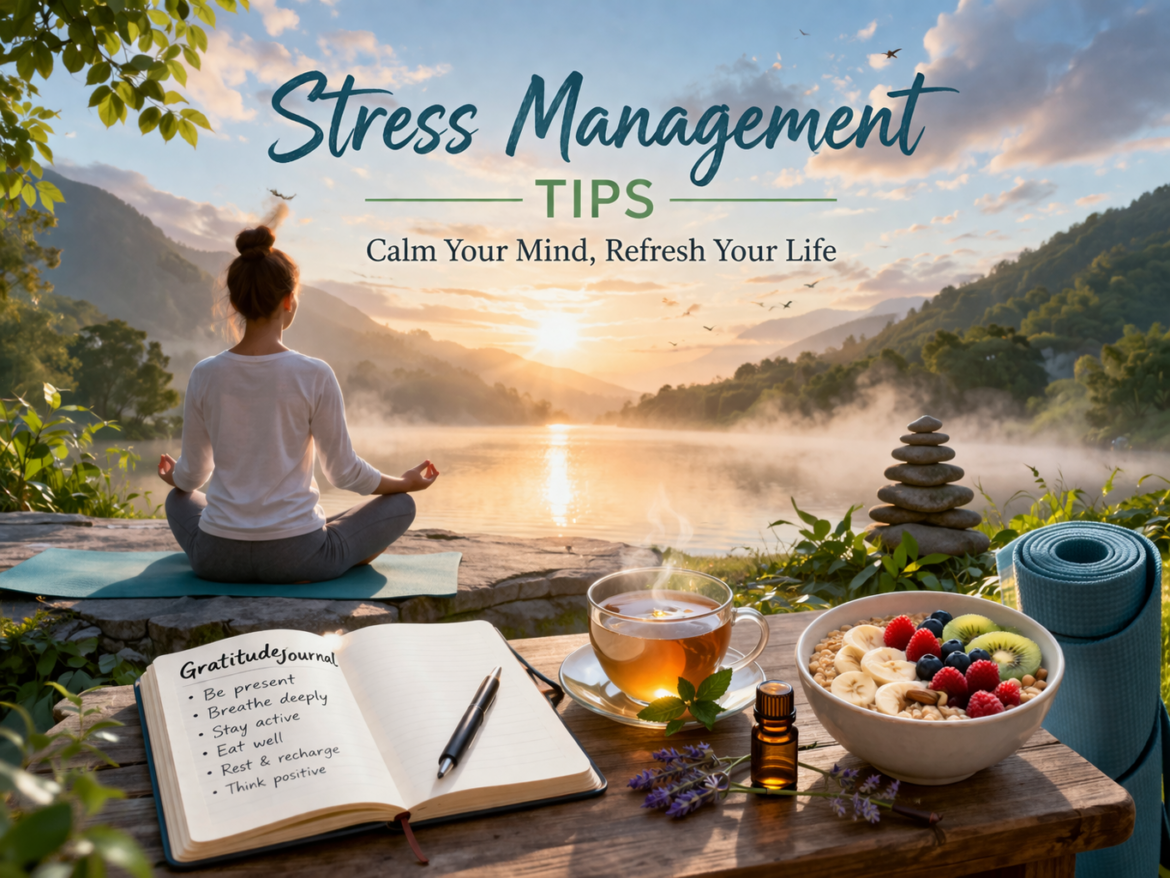
Stress management is one of the most essential life skills in today’s fast-paced and demanding world. Whether caused by work pressure, financial responsibilities, personal relationships, or health concerns, stress affects almost everyone at some point in life. When left unmanaged, stress can negatively impact physical health, emotional well-being, productivity, and overall quality of life. Learning how to manage stress effectively is not about eliminating challenges but about developing healthier ways to respond to them.
This comprehensive guide explores the meaning of stress, its effects on the body and mind, and practical strategies that help you build resilience, maintain balance, and lead a more fulfilling life.
Understanding Stress and Its Impact
Stress is the body’s natural response to any demand or threat. It triggers a “fight or flight” reaction that prepares the body to face challenges. While short-term stress can sometimes be beneficial by improving focus and performance, long-term exposure can be harmful.
When stress becomes constant, it often develops into psychological stress, affecting thoughts, emotions, and behavior. People may experience irritability, anxiety, lack of motivation, or difficulty concentrating. Over time, unmanaged stress can turn into chronic stress, which places continuous strain on the nervous system and increases the risk of serious health issues.
Physical and Mental Health Effects of Stress
Long-term stress affects almost every system in the body. Common physical symptoms include headaches, muscle tension, digestive issues, high blood pressure, and weakened immunity. Stress is also closely linked with sleep problems, such as insomnia, frequent waking, or poor sleep quality, which further worsens fatigue and emotional instability.
Mentally, ongoing stress can lead to emotional exhaustion and mood disorders. In severe cases, it may contribute to anxiety disorders and depression, reducing a person’s ability to cope with daily responsibilities and enjoy life. This is why early stress management is crucial for long-term health.
The Importance of Stress Management
Stress management is not a luxury; it is a necessity for maintaining balance in both personal and professional life. Effective stress management helps improve emotional regulation, boosts productivity, strengthens relationships, and supports physical health. It allows individuals to respond to challenges calmly instead of reacting impulsively.
Managing stress also promotes clarity of thought and better decision-making. When stress levels are under control, people are more confident, focused, and resilient, even in difficult situations.
Professional Support and Therapeutic Approaches
Sometimes stress becomes overwhelming and difficult to manage alone. In such cases, seeking professional help is a wise and responsible step. Mental health professionals offer various forms of psychotherapies that help individuals understand the root causes of stress and develop healthier coping strategies.
Therapy can provide emotional support, practical tools, and a safe space to express feelings without judgment. It also helps in building self-awareness and long-term stress resilience.
Mindfulness and Relaxation Techniques
Mindfulness-based practices are highly effective for calming the mind and reducing stress. Meditation helps individuals become more present, observe thoughts without judgment, and cultivate inner peace. Regular practice can lower anxiety, improve emotional balance, and enhance overall mental clarity.
Another powerful relaxation method is Yoga Nidra, a guided deep-rest practice that promotes profound relaxation while remaining mentally aware. It helps release accumulated tension from the body and mind, making it especially beneficial for people dealing with fatigue and mental overload.
Physical Activity as a Stress Reliever
Movement plays a vital role in stress management. Physical exercise releases endorphins, which are natural mood-boosting chemicals in the brain. Regular activity improves energy levels, sleep quality, and emotional stability.
You don’t need intense workouts to experience benefits. Walking, stretching, or gentle movement can be enough to refresh the mind and reduce stress hormones. Consistency is more important than intensity when it comes to managing stress through movement.
Managing Time and Daily Responsibilities
Poor planning and overload often increase stress levels. Effective Time management helps individuals prioritize tasks, reduce last-minute pressure, and create a sense of control. Breaking tasks into smaller steps and setting realistic goals can prevent overwhelm and burnout.
Learning to say no, delegating when possible, and creating boundaries between work and personal time are essential habits for maintaining balance.
Creating Balance Between Work and Personal Life
A balanced lifestyle is key to long-term stress management. Many people struggle with work demands that spill into personal time, leading to exhaustion and dissatisfaction. Developing a healthy work-life balace allows individuals to recharge emotionally and physically, improving overall performance and happiness.
Achieving balance doesn’t mean working less; it means working smarter while making space for rest, relationships, and personal growth.
Practical Strategies for Sustainable Productivity
One of the biggest challenges today is staying productive without sacrificing mental health. Work-Life Balance Tips: How to Stay Productive Without Burning Out include setting clear work boundaries, scheduling breaks, avoiding multitasking, and disconnecting from digital devices after work hours.
Equally important is understanding How to Stay Productive Without Burning Out by listening to your body’s signals, taking regular rest, and aligning work with personal values. Sustainable productivity is built on balance, not constant pressure.
Building Healthy Daily Habits
Small daily habits can significantly reduce stress over time. Maintaining a nutritious diet, staying hydrated, practicing gratitude, and spending time in nature all contribute to emotional well-being. Limiting caffeine, reducing screen time before bed, and establishing a consistent routine can also support stress reduction.
Social connection is another powerful stress buffer. Talking with trusted friends or family members helps release emotional tension and offers new perspectives on challenges.
Stress Management as a Lifelong Practice
Stress management is not a one-time solution but an ongoing process. Life will always present challenges, but how you respond to them determines your well-being. By practicing awareness, balance, and self-care, you can build resilience and maintain emotional stability even during difficult times.
Consistency, patience, and self-compassion are key. Over time, these practices create a healthier relationship with stress and a more peaceful, fulfilling life.
Conclusion
Stress management is essential for maintaining physical health, emotional balance, and long-term productivity. By understanding stress, recognizing its effects, and adopting effective coping strategies, individuals can transform stress from a harmful force into a manageable part of life.
Whether through mindful practices, movement, better planning, or professional support, every small step toward managing stress leads to improved well-being. Prioritizing stress management today is an investment in a healthier, happier, and more balanced future.