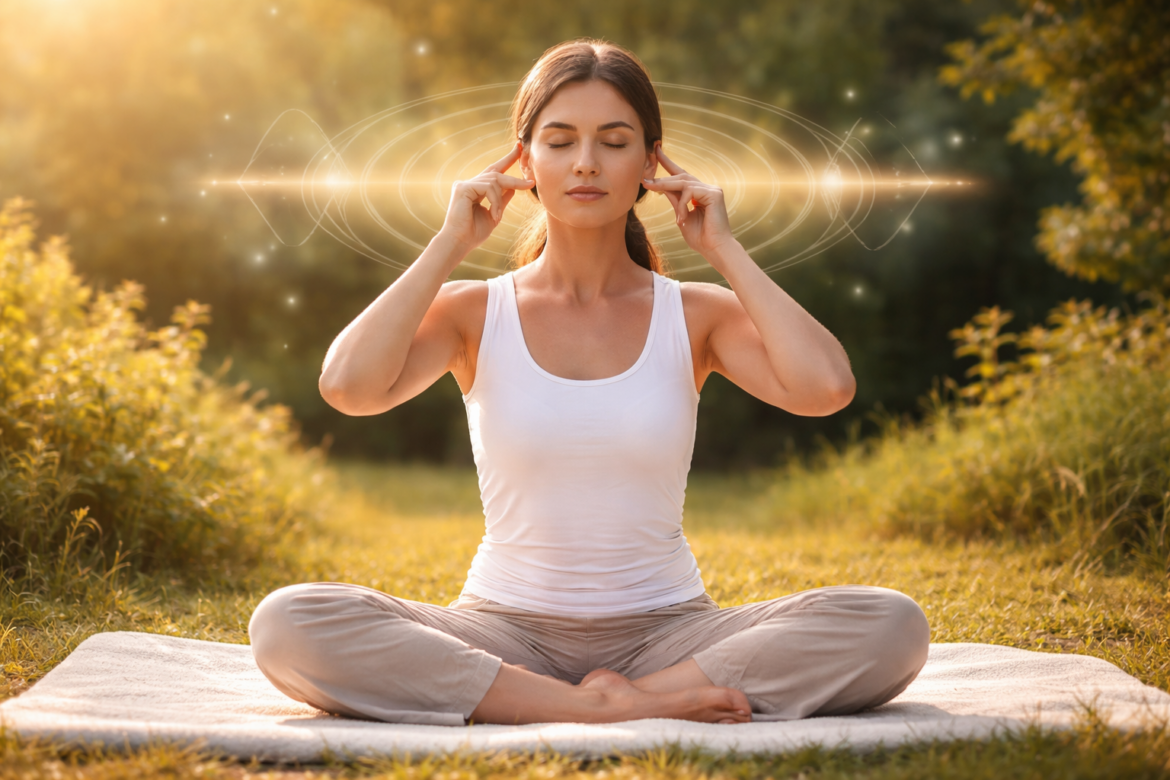
In today’s fast-paced world, stress, anxiety, and mental fatigue have become common challenges. Ancient yogic practices offer simple yet powerful tools to restore balance, and one such technique is Bhramari Pranayama. Known as the Humming Bee Breath, Bhramari is a calming breathing practice that soothes the nervous system, quiets the mind, and promotes emotional well-being. Rooted in classical yoga texts, this pranayama is easy to learn and highly effective, making it suitable for beginners as well as experienced practitioners.
What Is Bhramari Pranayama?
The word Bhramari comes from the Sanskrit word “Bhramar,” meaning bee. The practice is named after the soft humming sound produced during exhalation, resembling the gentle buzzing of a bee. This humming vibration is the core of the practice and plays a vital role in calming the mind and relaxing the body.
Bhramari Pranayama is traditionally practiced as part of Hatha Yoga and is often recommended before meditation because of its ability to reduce mental fluctuations (chitta vritti) and enhance concentration.
The Philosophy Behind Bhramari
According to yogic philosophy, breath is closely connected to the mind. When the breath is slow and rhythmic, the mind becomes calm and focused. The humming sound in Bhramari creates subtle vibrations in the head, throat, and chest, stimulating the parasympathetic nervous system. This helps shift the body from a stress-driven “fight or flight” mode to a relaxed “rest and digest” state.
In yogic texts, Bhramari is also associated with awakening inner awareness and preparing the practitioner for deeper states of meditation and self-reflection.
How to Practice Bhramari Pranayama
Bhramari is simple, safe, and can be practiced almost anywhere. Follow these steps carefully for best results:
- Posture
Sit comfortably in a cross-legged position such as Padmasana, Sukhasana, or Vajrasana. Keep the spine erect and shoulders relaxed. You may also practice it while sitting on a chair with your feet flat on the ground. - Relax the Body
Close your eyes and take a few deep breaths to relax your body and mind. - Hand Position (Shanmukhi Mudra – Optional)
You may gently close your ears with your thumbs, place your index fingers over the eyebrows, middle fingers lightly over the eyes, ring fingers beside the nostrils, and little fingers near the lips. Beginners can simply close their ears with their fingers. - Inhalation
Inhale slowly and deeply through the nose. - Exhalation with Humming Sound
While exhaling, produce a smooth, continuous humming sound like a bee. Feel the vibration in your head and chest. - Awareness
Focus on the sound and vibration, letting go of external thoughts. - Repetition
Repeat the process 5–10 times, maintaining slow and controlled breathing.
After completing the practice, sit quietly for a minute and observe the calmness within.
Benefits of Bhramari Pranayama
Bhramari offers a wide range of physical, mental, and emotional benefits when practiced regularly.
1. Reduces Stress and Anxiety
The humming sound has a profound calming effect on the nervous system. It lowers stress hormones and helps relieve anxiety, tension, and irritability.
2. Improves Mental Clarity and Focus
Bhramari quiets mental chatter and enhances concentration, making it an excellent practice for students, professionals, and anyone dealing with mental overload.
3. Promotes Better Sleep
Practicing Bhramari before bedtime can help reduce insomnia by calming the mind and preparing the body for restful sleep.
4. Supports Emotional Balance
Regular practice helps manage anger, frustration, and mood swings by creating emotional stability and inner peace.
5. Enhances Brain Function
The vibrations generated during humming improve blood circulation in the brain, which may support memory, creativity, and cognitive performance.
6. Relieves Headaches and Migraines
Bhramari is often recommended as a natural remedy for tension headaches and mild migraines caused by stress or mental fatigue.
7. Supports Heart Health
By reducing stress and calming the nervous system, Bhramari indirectly supports healthy blood pressure and heart function.
Scientific Perspective on Bhramari
Modern research has shown that humming during exhalation increases the production of nitric oxide in the nasal passages. Nitric oxide plays an important role in improving oxygen delivery, supporting respiratory health, and enhancing blood circulation. Studies also suggest that slow breathing techniques like Bhramari activate the vagus nerve, which is crucial for emotional regulation and stress management.
These findings validate what yogis have known for centuries—controlled breathing and sound vibrations can profoundly influence physical and mental health.
Best Time to Practice Bhramari
The ideal time to practice Bhramari Pranayama is early morning on an empty stomach, when the mind is naturally calm. However, it can also be practiced in the evening or during stressful moments to regain mental balance. Practicing it before meditation or sleep can enhance its calming effects.
Precautions and Contraindications
Although Bhramari is generally safe, keep the following points in mind:
- Avoid forceful breathing or loud humming.
- People with severe ear infections should avoid closing the ears tightly.
- If you feel dizzy, stop the practice and breathe normally.
- Always practice gently and mindfully, especially if you are new to pranayama.
Consult a qualified yoga instructor or healthcare professional if you have specific medical conditions.
Bhramari in Daily Life
One of the greatest strengths of Bhramari Pranayama is its simplicity. It can be practiced at home, at work, or even during short breaks to relieve stress instantly. Just a few minutes of humming breath can bring noticeable calmness and clarity, making it a practical tool for modern lifestyles.
Conclusion
Bhramari Pranayama is a powerful yet gentle yogic breathing technique that harmonizes the body, mind, and emotions. Through the simple act of humming, it creates inner vibrations that dissolve stress, enhance focus, and promote deep relaxation. In a world filled with constant noise and distractions, Bhramari teaches us the art of turning inward and finding silence within sound.
By practicing Bhramari regularly, you can cultivate mental peace, emotional stability, and a deeper connection with yourself—one breath at a time.