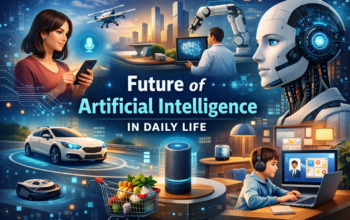
Artificial Intelligence (AI) is no longer a concept limited to science fiction or research labs. It has quietly woven itself into our daily routines—powering smartphones, recommending movies, helping doctors diagnose diseases, and even driving cars. As AI continues to evolve at an unprecedented pace, its role in everyday life is set to expand far beyond what we currently imagine. The future of artificial intelligence promises convenience, efficiency, and innovation, but it also brings important challenges that society must address.
AI as a Daily Companion
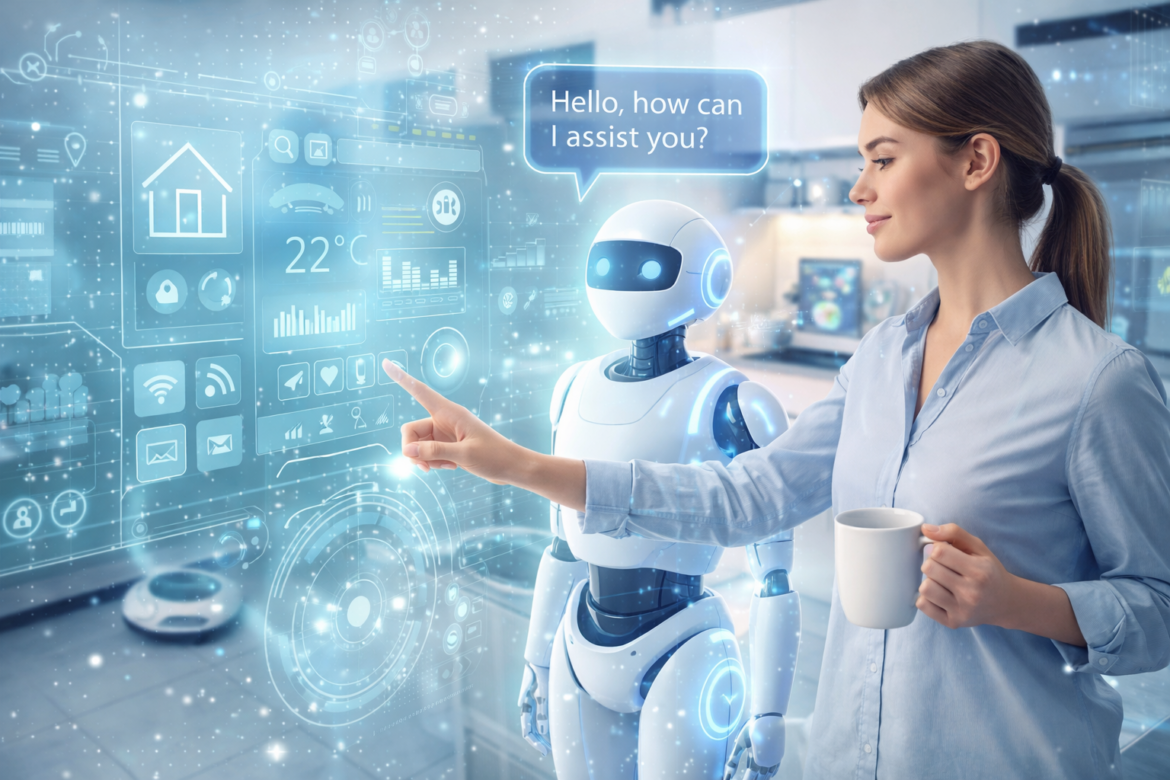
In the near future, AI will become an even more personal and proactive companion. Virtual assistants like Siri, Alexa, and Google Assistant will evolve from simple command-based tools into intelligent digital partners. They will understand emotions, preferences, and habits, allowing them to anticipate needs rather than just respond to requests.
For example, AI assistants may remind users to take breaks based on stress levels detected through voice or wearable data. They could schedule appointments, manage finances, and suggest lifestyle improvements—all customized to individual behavior patterns. This deeper integration will make AI feel less like technology and more like a trusted helper in everyday life.
Smart Homes and Intelligent Living
The future of AI in homes is centered around automation and personalization. Smart homes will move beyond basic automation such as turning lights on and off. AI-powered systems will learn routines and optimize energy usage, security, and comfort automatically.
Imagine a home that adjusts lighting and temperature based on mood, weather, and time of day. AI-enabled security systems will identify unusual activity, recognize familiar faces, and instantly alert homeowners of potential risks. These intelligent living spaces will not only enhance comfort but also contribute to sustainability by reducing energy waste.
Transformation of Healthcare Through AI
Healthcare is one of the most impactful areas where AI will shape everyday life. In the future, AI-driven tools will assist doctors with faster and more accurate diagnoses. Wearable devices powered by AI will continuously monitor vital signs, detect early symptoms of diseases, and recommend preventive measures.
AI will also play a key role in mental health support. Chatbots and virtual therapists can provide immediate assistance, track emotional patterns, and guide users toward professional care when needed. This increased accessibility can help bridge gaps in healthcare services, especially in remote or underserved areas.
AI in Education and Skill Development
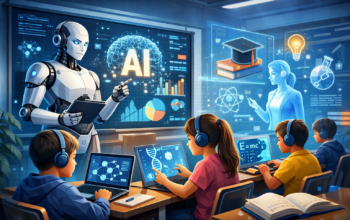
Education will undergo a major transformation as AI becomes more embedded in learning environments. Personalized learning platforms will adapt content based on a student’s pace, strengths, and weaknesses. Instead of a one-size-fits-all approach, AI will enable customized education paths for every learner.
Teachers will benefit from AI tools that automate administrative tasks such as grading and attendance, allowing them to focus more on creativity and student engagement. In everyday life, AI-powered learning apps will help individuals continuously upgrade skills, making lifelong learning more accessible and efficient.
The Future of Work and AI Collaboration
AI will significantly reshape the way people work, but it is more likely to augment jobs rather than completely replace them. Routine and repetitive tasks will be handled by AI systems, freeing humans to focus on creativity, problem-solving, and strategic thinking.
In offices, AI will assist with data analysis, customer support, and decision-making. Freelancers and small business owners will rely on AI tools for marketing, content creation, and financial management. As AI becomes a regular part of professional life, adaptability and digital literacy will become essential skills for the workforce.
AI in Transportation and Mobility
Transportation is another area where AI will redefine everyday experiences. Autonomous and semi-autonomous vehicles will become more common, reducing accidents caused by human error. AI-powered traffic management systems will optimize routes, reduce congestion, and lower carbon emissions.
Public transportation will benefit from predictive maintenance and real-time scheduling powered by AI. For individuals, daily commutes will become safer, faster, and more efficient, fundamentally changing how people move through cities.
Ethical Considerations and Challenges
While the future of artificial intelligence in everyday life is promising, it also raises important ethical concerns. Issues related to data privacy, surveillance, and algorithmic bias must be carefully addressed. As AI systems collect vast amounts of personal data, ensuring transparency and security will be critical.
There is also the challenge of job displacement and economic inequality. Governments, organizations, and educational institutions must work together to reskill workers and ensure that the benefits of AI are shared broadly across society. Responsible AI development will require clear regulations, ethical guidelines, and human oversight.
Human-AI Relationship in the Future
As AI becomes more integrated into daily life, the relationship between humans and machines will evolve. Trust will play a crucial role in this interaction. People must understand how AI systems work and feel confident that these technologies are designed to serve human interests.
Rather than replacing human values, AI should enhance empathy, creativity, and decision-making. The future lies in collaboration—where humans and AI complement each other’s strengths to create a better quality of life.
Conclusion
The future of artificial intelligence in everyday life is both exciting and transformative. From smart homes and healthcare to education, work, and transportation, AI will touch nearly every aspect of human experience. While challenges related to ethics, privacy, and employment remain, thoughtful implementation and responsible innovation can ensure that AI becomes a powerful force for good.
As we move forward, the key will be balance—embracing technological advancements while preserving human values. When used wisely, artificial intelligence has the potential to make everyday life more efficient, inclusive, and meaningful for people around the world.