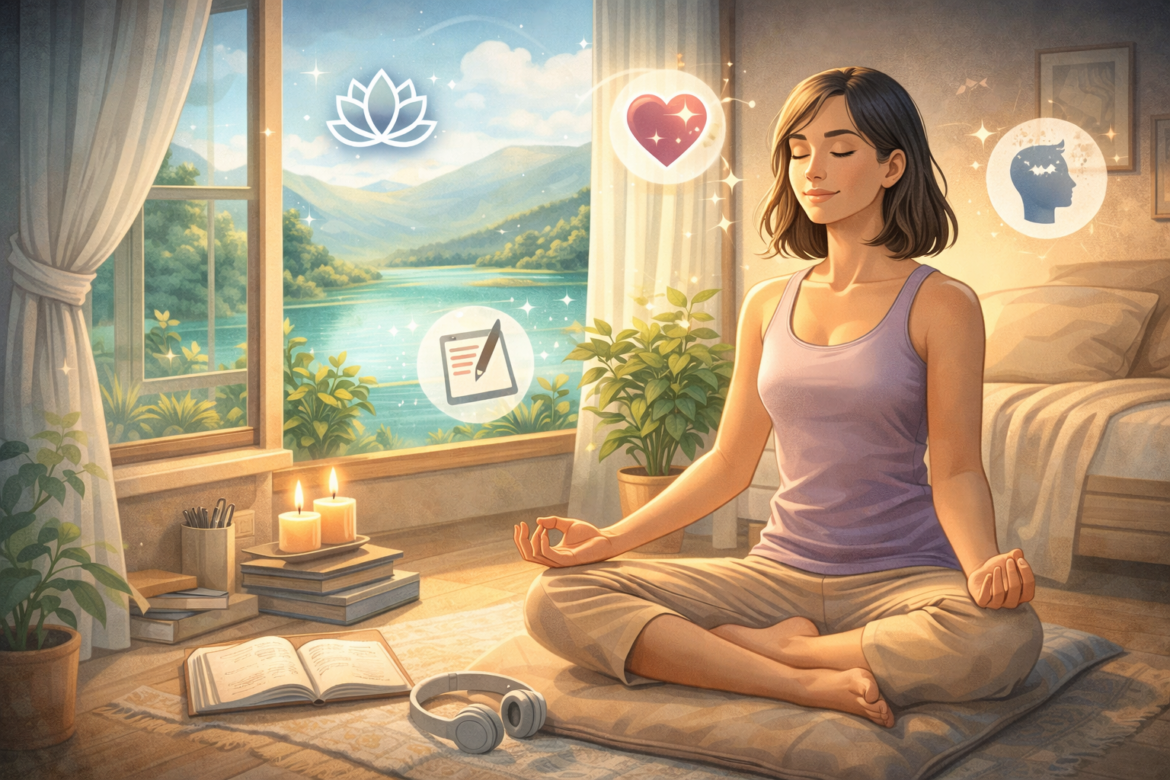
In today’s fast-paced world, mental peace often feels like a luxury rather than a necessity. Constant notifications, work pressure, social expectations, and personal responsibilities can quietly drain our emotional energy. Self-care is no longer just about pampering yourself occasionally; it is about creating a lifestyle that supports mental clarity, emotional balance, and inner calm. A self-care lifestyle focuses on daily habits, mindful choices, and intentional living that help you reconnect with yourself and protect your mental well-being.
This article explores practical and sustainable self-care lifestyle ideas that can help you achieve mental peace in your everyday life.
Understanding Self-Care Beyond the Basics
Self-care is often misunderstood as indulgence—spa days, shopping, or vacations. While these can be enjoyable, true self-care goes deeper. It includes setting boundaries, nurturing healthy relationships, managing stress, and taking care of your mental, emotional, and physical health consistently. Mental peace comes from alignment—when your actions, values, and needs are in harmony.
A self-care lifestyle is not about perfection but about progress and self-awareness.
Start Your Day with Mindful Mornings
How you begin your day sets the tone for your mental state. A rushed and chaotic morning can trigger stress before the day even starts. Mindful mornings create space for calm and intention.
Simple ways to practice mindful mornings include:
- Waking up 20–30 minutes earlier to avoid rushing
- Practicing deep breathing or meditation for a few minutes
- Avoiding phone usage immediately after waking up
- Setting one positive intention for the day
Even small changes, like sipping tea in silence or stretching gently, can bring a sense of peace and grounding.
Create a Balanced Daily Routine
Mental peace thrives in structure and balance. An unpredictable or overloaded routine can increase anxiety and mental fatigue. Designing a realistic daily routine helps you manage time, energy, and expectations more effectively.
Key elements of a balanced routine include:
- Dedicated work hours and proper breaks
- Time for meals without distractions
- Movement or light exercise
- Relaxation and personal time
Consistency in your routine gives your mind a sense of stability, reducing stress and emotional overwhelm.
Practice Digital Detox Regularly
Excessive screen time and constant social media consumption can negatively impact mental health. Comparing your life to others, absorbing negative news, and endless scrolling often lead to anxiety and dissatisfaction.
Incorporate digital detox habits such as:
- Limiting social media usage to specific times
- Turning off unnecessary notifications
- Avoiding screens at least one hour before bedtime
- Spending weekends or evenings offline
Reducing digital noise allows your mind to rest and improves focus, sleep, and emotional balance.
Nourish Your Body for a Calm Mind
Mental health is closely connected to physical well-being. What you eat and how you treat your body significantly influence your mood and energy levels. A self-care lifestyle includes mindful eating and hydration.
Healthy habits for mental peace include:
- Eating balanced meals with fruits, vegetables, and whole foods
- Drinking enough water throughout the day
- Limiting excessive caffeine and sugar
- Eating slowly and without distractions
When your body feels nourished, your mind naturally feels calmer and more resilient.
Move Your Body Gently and Consistently
Exercise is a powerful self-care tool for mental peace. It releases endorphins, reduces stress hormones, and improves sleep quality. You don’t need intense workouts to benefit; gentle movement is equally effective.
Try incorporating:
- Daily walks in nature
- Yoga or stretching exercises
- Light home workouts
- Dancing or recreational activities
Choose activities you genuinely enjoy, as consistency matters more than intensity.
Set Healthy Emotional Boundaries
One of the most important self-care lifestyle ideas is learning to say no without guilt. Overcommitting and people-pleasing often lead to emotional exhaustion and resentment.
Healthy boundaries help protect your mental peace by:
- Limiting interactions that drain your energy
- Communicating your needs clearly
- Prioritizing your well-being over approval
- Allowing yourself rest without justification
Boundaries are not selfish; they are essential for emotional health and self-respect.
Practice Mindfulness and Gratitude
Mindfulness helps you stay present instead of worrying about the future or dwelling on the past. Gratitude shifts your focus from what’s missing to what’s meaningful.
Simple mindfulness and gratitude practices include:
- Journaling your thoughts and emotions
- Writing three things you’re grateful for daily
- Observing your breath during stressful moments
- Engaging fully in simple activities
These practices help calm the mind and foster a positive outlook on life.
Prioritize Quality Sleep
Lack of proper sleep can severely affect mental peace, leading to irritability, anxiety, and reduced focus. A self-care lifestyle prioritizes rest as a non-negotiable need.
Tips for better sleep include:
- Maintaining a consistent sleep schedule
- Creating a calm bedtime routine
- Keeping your bedroom dark and quiet
- Avoiding heavy meals and screens before sleep
Quality sleep allows your mind to reset and process emotions effectively.
Engage in Activities That Bring Joy
Mental peace is deeply connected to joy and self-expression. Make time for activities that nourish your soul and make you feel alive.
These could include:
- Reading books
- Creative hobbies like painting or writing
- Gardening or cooking
- Listening to music or spending time in nature
Joyful activities help you reconnect with yourself beyond responsibilities and stress.
Seek Support When Needed
Self-care does not mean handling everything alone. Seeking help is a sign of strength, not weakness. Talking to trusted friends, family members, or mental health professionals can provide clarity and emotional relief.
Regular emotional check-ins and open conversations can prevent stress from building up and affecting your mental peace.
Conclusion
A self-care lifestyle is a continuous journey, not a one-time effort. Mental peace comes from daily choices that honor your needs, values, and limits. By practicing mindfulness, setting boundaries, nurturing your body, and creating balance in your routine, you can build a life that feels calmer and more fulfilling.
Remember, self-care is deeply personal. What works for others may not work for you, and that’s okay. Start small, stay consistent, and listen to yourself. Over time, these self-care lifestyle ideas will help you cultivate lasting mental peace and emotional well-being.