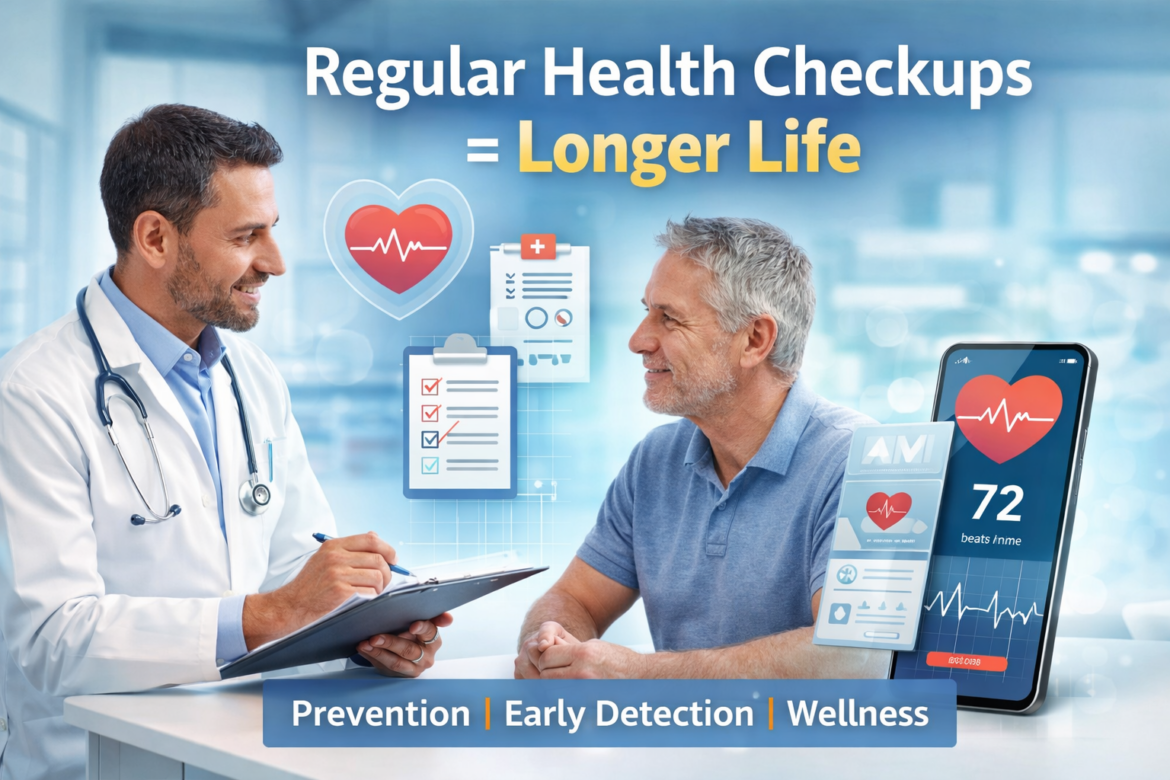
In today’s fast-paced world, health often takes a backseat to work, family responsibilities, and social commitments. Many people visit a doctor only when they fall sick or experience severe symptoms. However, this reactive approach to healthcare can lead to late diagnosis of diseases, higher medical costs, and reduced quality of life. This is where the role of regular health checkups becomes extremely important. Regular health checkups are not just about identifying illnesses; they are about preventing diseases, maintaining overall well-being, and ensuring a healthier future.
What Are Regular Health Checkups?
Regular health checkups are routine medical examinations carried out at specific intervals, even when a person feels healthy. These checkups may include physical examinations, blood tests, urine tests, imaging tests, and screenings based on age, gender, lifestyle, and medical history. The goal is to monitor the body’s vital functions, detect potential health risks early, and take preventive measures before serious problems arise.
Early Detection of Diseases
One of the most significant benefits of regular health checkups is early detection. Many serious health conditions such as diabetes, high blood pressure, heart disease, and certain types of cancer do not show noticeable symptoms in their early stages. By the time symptoms appear, the disease may have already progressed.
Routine screenings help identify these conditions early, when they are easier and more affordable to treat. For example, regular blood sugar tests can detect prediabetes, allowing individuals to make lifestyle changes before developing full-blown diabetes. Similarly, cholesterol tests can help reduce the risk of heart attacks and strokes through timely intervention.
Prevention Is Better Than Cure
Regular health checkups play a vital role in preventive healthcare. Instead of waiting for an illness to strike, checkups focus on reducing risk factors and promoting healthy habits. Doctors can provide guidance on diet, exercise, stress management, and sleep based on the individual’s health status.
Vaccinations, health counseling, and lifestyle advice given during checkups help prevent infections and chronic diseases. This preventive approach not only saves lives but also reduces the long-term burden on healthcare systems and personal finances.
Monitoring Existing Health Conditions
For individuals with existing medical conditions such as hypertension, asthma, thyroid disorders, or heart disease, regular health checkups are essential. These visits help monitor the condition, assess the effectiveness of ongoing treatment, and make necessary adjustments to medications or lifestyle recommendations.
Continuous monitoring ensures that health conditions remain under control and prevents complications. For instance, regular blood pressure monitoring can reduce the risk of heart failure, kidney damage, and vision problems.
Improving Mental Health and Well-Being
Health is not limited to physical fitness; mental health is equally important. Regular health checkups often include discussions about stress, anxiety, depression, and overall emotional well-being. Early identification of mental health issues can lead to timely counseling, therapy, or medical support.
In today’s stressful environment, mental health problems are increasingly common. Regular interactions with healthcare professionals create opportunities to talk openly about emotional challenges, leading to better mental resilience and improved quality of life.
Cost-Effective in the Long Run
Many people avoid regular health checkups due to perceived costs. However, in the long run, preventive healthcare is far more cost-effective than treating advanced diseases. Early diagnosis usually means simpler treatments, fewer hospitalizations, and lower medical expenses.
For example, managing high cholesterol through diet and medication is far less expensive than undergoing surgery for a heart attack. Regular health checkups help avoid unexpected medical emergencies and financial stress.
Encouraging a Health-Conscious Lifestyle
When people commit to regular health checkups, they become more aware of their bodies and health choices. Knowing that test results will reflect lifestyle habits often motivates individuals to eat healthier, exercise regularly, quit smoking, and limit alcohol consumption.
This increased awareness creates a positive cycle where individuals actively participate in maintaining their health rather than relying solely on medical treatment when problems occur.
Health Checkups Across Different Life Stages
The role of regular health checkups varies across different age groups:
- Children and Adolescents: Regular checkups ensure proper growth, development, vaccinations, and early detection of nutritional deficiencies or developmental issues.
- Adults: Screenings for blood pressure, cholesterol, diabetes, and lifestyle-related diseases become essential during adulthood.
- Elderly: For older adults, regular checkups help manage chronic conditions, monitor bone health, vision, hearing, and cognitive function, ensuring a better quality of life.
Tailored health checkups at every stage of life support long-term wellness and independence.
Building a Strong Doctor-Patient Relationship
Regular visits to the same healthcare provider help build trust and familiarity. Doctors who understand a patient’s medical history, family background, and lifestyle can provide more personalized and effective care. This relationship encourages open communication, making it easier to discuss health concerns without hesitation.
Conclusion
The role of regular health checkups in maintaining a healthy life cannot be overstated. They are a powerful tool for early detection, disease prevention, and overall well-being. Rather than waiting for illness to strike, adopting a proactive approach to health through routine checkups can lead to longer life, better mental and physical health, and reduced healthcare costs.
Incorporating regular health checkups into your lifestyle is an investment in your future. A few hours spent on preventive care today can save years of suffering tomorrow. After all, good health is not just about living longer—it’s about living better.